Pilot Grants
Program Overview
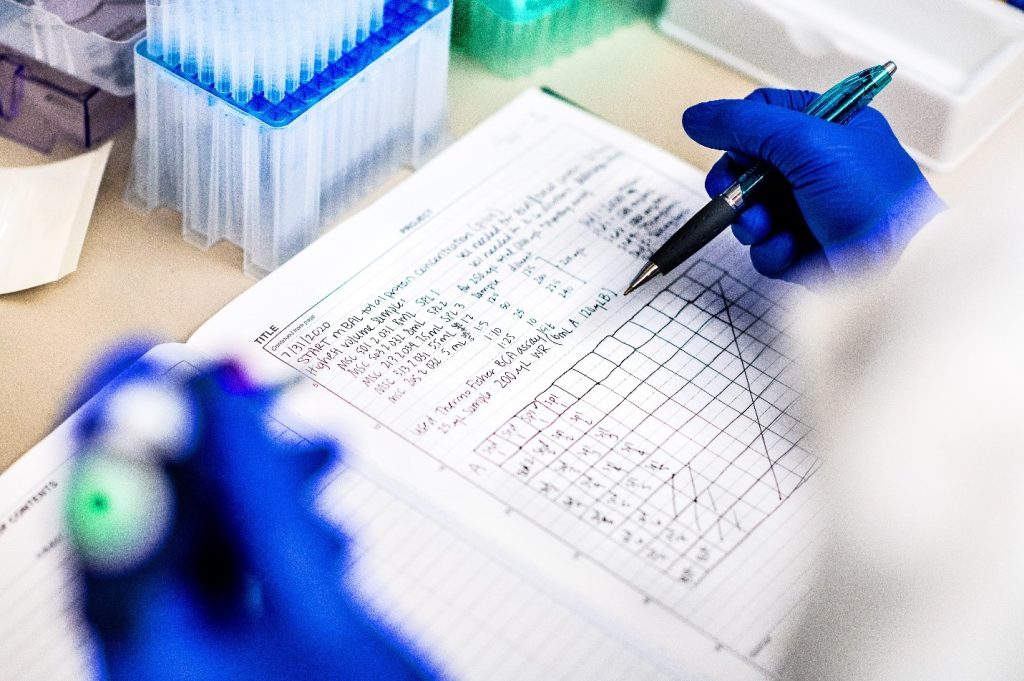
Each pilot grant provides seed support for high-impact projects designed to advance precision medicine approaches and improve outcomes for critically ill patients.
2026 Pilot Award Recipients
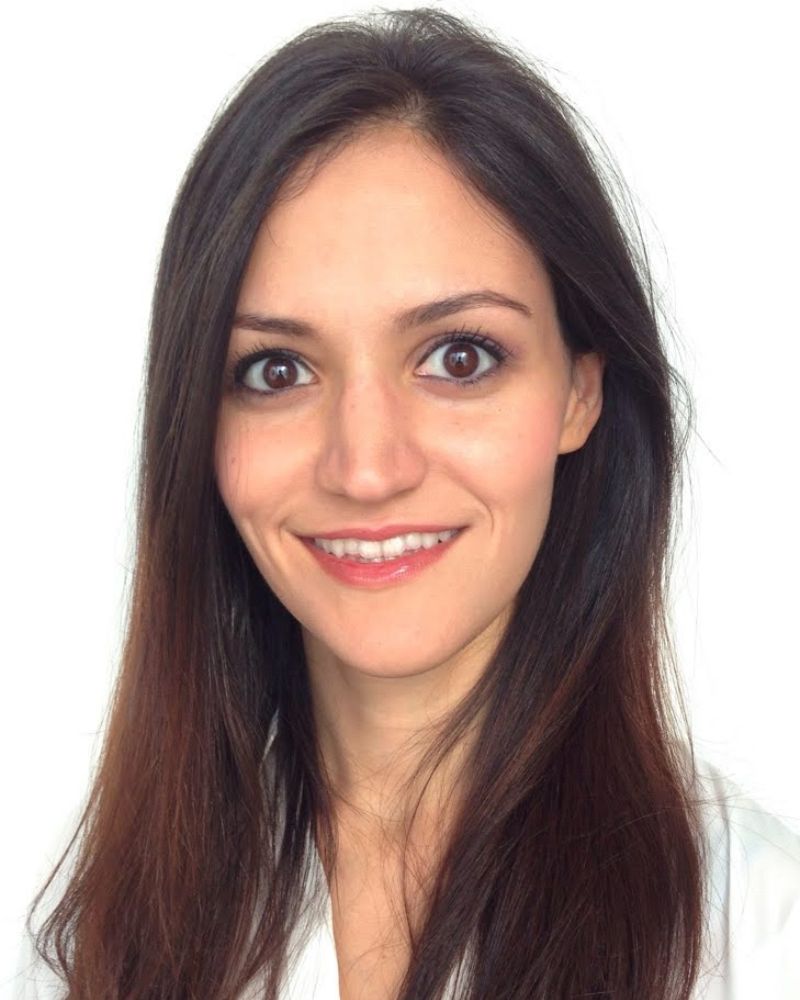
Narges Alipanah-Lechner, MD, MAS
Assistant Professor, Pulmonary and Critical Care
Cross-compartment metabolomic investigation of inflammatory phenotypes of ARDS and sepsis
Narges Alipanah-Lechner, MD, MAS, is an Assistant Professor in the Division of Pulmonary and Critical Care Medicine at UCSF. She earned her undergraduate degree from Johns Hopkins University and completed both her medical degree and master’s degree in clinical and epidemiological research at UCSF. Dr. Alipanah-Lechner’s research focuses on metabolomics and complementary systems biology approaches within precision medicine to improve diagnosis and treatment of patients with critical illness syndromes. During her post-doctoral fellowship in Dr. Carolyn Calfee’s laboratory, she discovered novel subtypes of severe COVID-19 pneumonia and identified metabolic differences between ARDS molecular phenotypes. She currently leads the biology committee of the PANTHER Trial, the first international platform trial utilizing precision medicine in ARDS and was awarded the American Society for Clinical Investigation’s 2024 Emerging Generation Award. In addition to her research, Dr. Alipanah-Lechner provides clinical care in the medical and neurological intensive care units at UCSF.
This pilot will perform untargeted metabolomic profiling on banked plasma and tissue samples (lung, liver, kidney) from a completed mouse model of pneumococcal pneumonia that recapitulates the hyper- and hypo-inflammatory phenotypes of human ARDS and sepsis. By comparing organ-level and circulating metabolic signatures across phenotypes, the study will determine whether mitochondrial metabolic dysregulation in hyper-inflammatory disease originates from organ-specific dysfunction versus systemic immune derangement, and will identify candidate targetable pathways. Findings will provide essential preliminary data for a planned R01 application bridging human discovery to phenotype-stratified intervention.
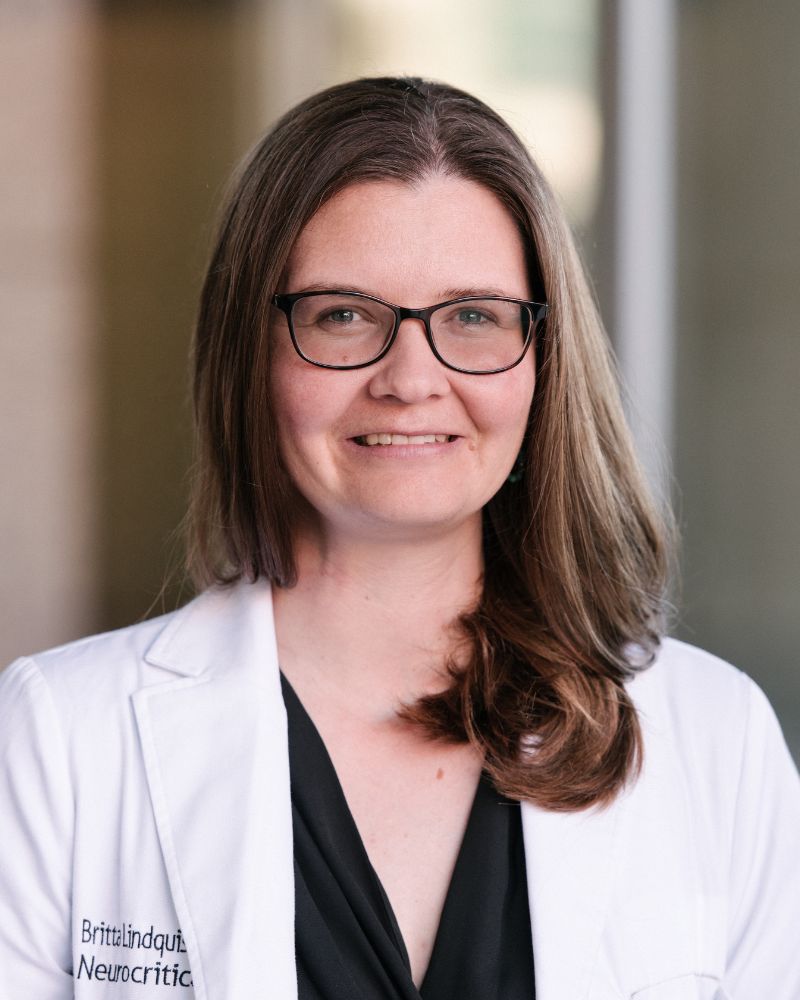
Britta Lindquist, MD, PhD
Assistant Professor, Neurology
Precision Acid-Base Physiology in Critically Ill Patients
Britta Lindquist, MD PhD is a neurointensivist-scientist with expertise in mechanisms of neurologic deterioration following stroke, subarachnoid hemorrhage, and traumatic brain injury. Originally from New Mexico, Britta received an undergraduate degree in Biochemical Sciences from Harvard College. She completed her medical and graduate degrees at the University of New Mexico, then moved to the University of California San Francisco for Neurology residency and Neurocritical Care fellowship. She conducts pre-clinical research in the laboratory of Sam Pleasure, MD PhD, studying the impact of systemic and cerebral acid-base physiology on spreading depolarization in mouse models of acute ischemic stroke. In her free time, Britta enjoys trail running, cycling, and outdoor camping adventures exploring the Pacific coast, high desert, and mountain West.
Dr. Lindquist’s CPR-CC pilot project, “Precision Acid-Base Physiology in Critically Ill Patients,” features collaboration with inspiring young investigators in neonatal critical care and neurosurgery. Together with Melody Lun, MD, PhD (Pediatrics), she will validate and extend novel quantitative tools for monitoring continuous acid-base parameters in neonates on extracorporeal membrane oxygenation. Together with David Caldwell, MD, PhD (Neurosurgery), she will analyze the impact of ventilation changes and hemodialysis on cerebral physiology in adults with severe traumatic brain injury. By advancing our ability to closely monitor and tightly control acid-base status, these translational studies will improve the treatment and prevention of brain injury in vulnerable critically ill patients.
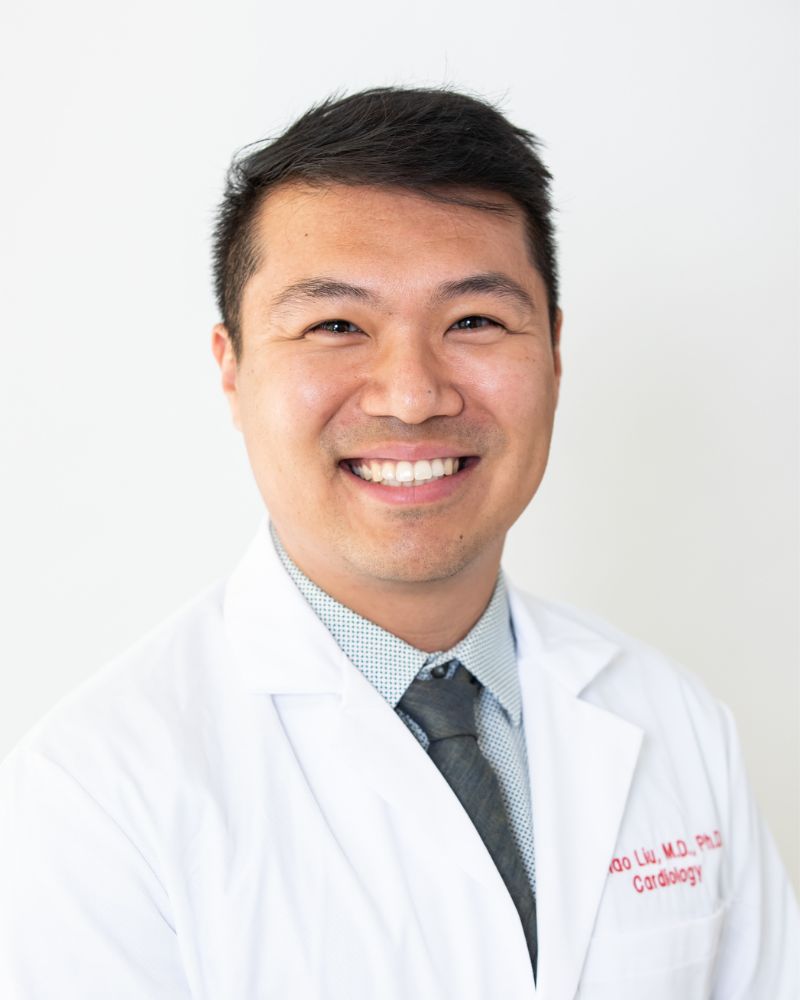
Bohao Liu, MD, PhD
Fellow, Cardiology
Arterial Waveform Morphology to Predict Inotrope Response in Cardiogenic Shock
Bohao Liu, MD, PhD, is a cardiology fellow at UCSF. He earned his BA in molecular biology from Princeton and his MD-PhD from Columbia, where his doctoral work in the Vunjak-Novakovic laboratory focused on stem-cell-derived cardiomyocytes for cardiac repair and disease modeling. His current research develops machine learning methods to extract clinically actionable information from high-frequency cardiovascular waveforms, with a focus on predicting treatment response in cardiogenic shock. The long-term goal is to enable individualized hemodynamic management for patients in the cardiac intensive care unit. He is mentored by Drs. Connor O’Brien, Ziad Obermeyer, and Geoff Tison. Outside the hospital, he enjoys trail running in the Bay Area with his wife, UCSF pediatric critical care fellow Lisa Grossman Liu, MD, PhD.
Patients with cardiogenic shock who receive inotropes follow markedly divergent trajectories, yet clinicians lack tools to predict who will stabilize and who will deteriorate. This project tests whether the arterial blood pressure waveform, a continuous signal already recorded at every ICU bedside but typically reduced to a few summary numbers, contains morphologic information that predicts treatment response before therapy is started. If successful, this study would lay the groundwork for tools that help clinicians identify which patients can be stabilized with medications alone and which require earlier escalation of care to mechanical support.
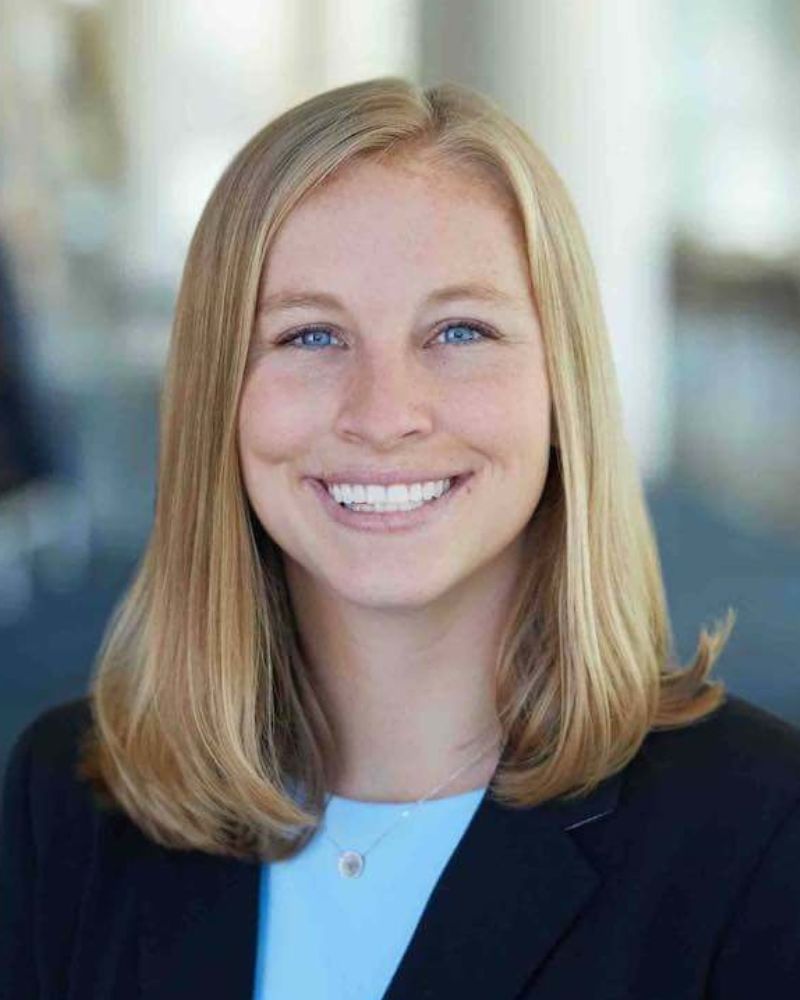
Emily Lydon, MD
Fellow, Infectious Diseases
Toward Precision Diagnosis of LRTI: Distinguishing Infection from Incidental Pathogen Carriage
Emily Lydon, MD, is an infectious diseases physician-scientist and clinical infectious diseases fellow at the University of California, San Francisco. Her research focuses on improving the diagnosis and management of infections in critically ill and immunocompromised patients through integrated host and microbial profiling. She uses transcriptomics, proteomics, metagenomics, and computational approaches to understand host–pathogen interactions and develop biologically informed diagnostic and prognostic tools. Dr. Lydon received her undergraduate degree in biological engineering from MIT and her MD from Duke University before completing internal medicine residency and infectious diseases fellowship at UCSF. Her work has identified molecular biomarkers of lower respiratory tract infection, characterized host–microbe signatures of infection and critical illness, and aims to translate high-dimensional molecular data into clinically actionable tools.
Current diagnostic tests for lower respiratory tract infection often rely on detecting microbes in airway samples, but in critically ill patients this can be difficult to interpret because potential pathogens may reflect colonization rather than true infection. This project will use airway RNA sequencing data from critically ill adults to define the host immune responses and airway microbiome features that distinguish true infection from incidental pathogen carriage. The long-term goal is to develop precision diagnostics that integrate host and microbial data to improve antibiotic decision-making in the ICU.
Application Timeline
RFA Released
-
Winter 2027
Applications Due
-
April 2027
Award Notification
-
May 2027
Award Start Date
-
July 1, 2027
Why It Matters
Philanthropic and institutional support for the CPR-CC Pilot Grants Program ensures that talented investigators can pursue bold ideas and accelerate discoveries that save lives in the ICU. By investing in these early projects, we are shaping the future of critical care medicine.